
Architecture
Harbour Architecture of Italian Coastal Towns
Notes on harbour towns, fishing traditions, stone quaysides, and the communities that have shaped Italy's coastal identity over centuries.


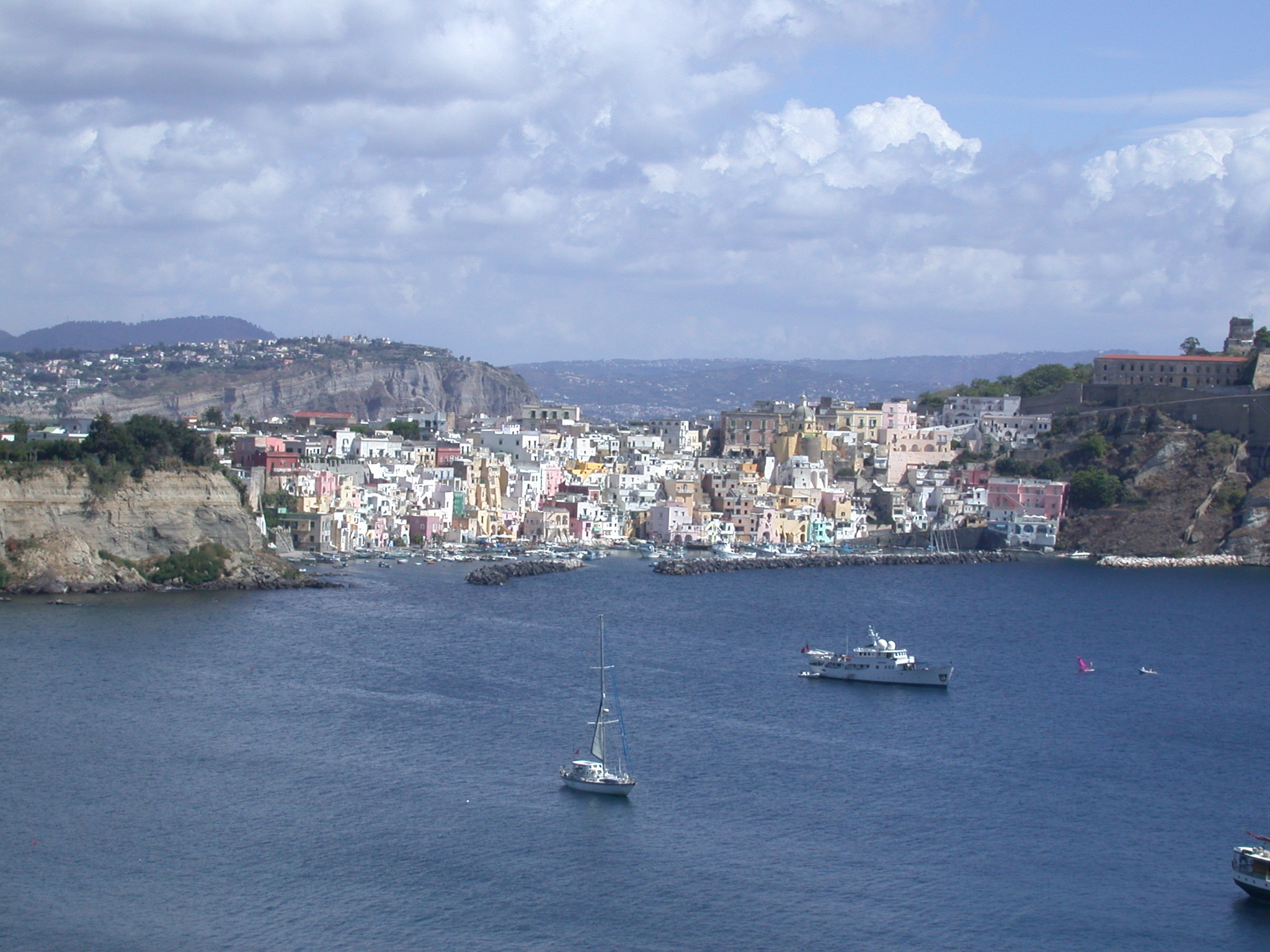
Italian harbour towns are defined not by grand monuments but by the accumulated logic of generations of fishermen, boat builders, and net menders — each leaving a mark in mortar, paint, and cobblestone. From Camogli's stacked ochre facades to Gallipoli's Baroque waterfront, the built environment along the Italian coast is inseparable from the sea itself.
Read about Architecture
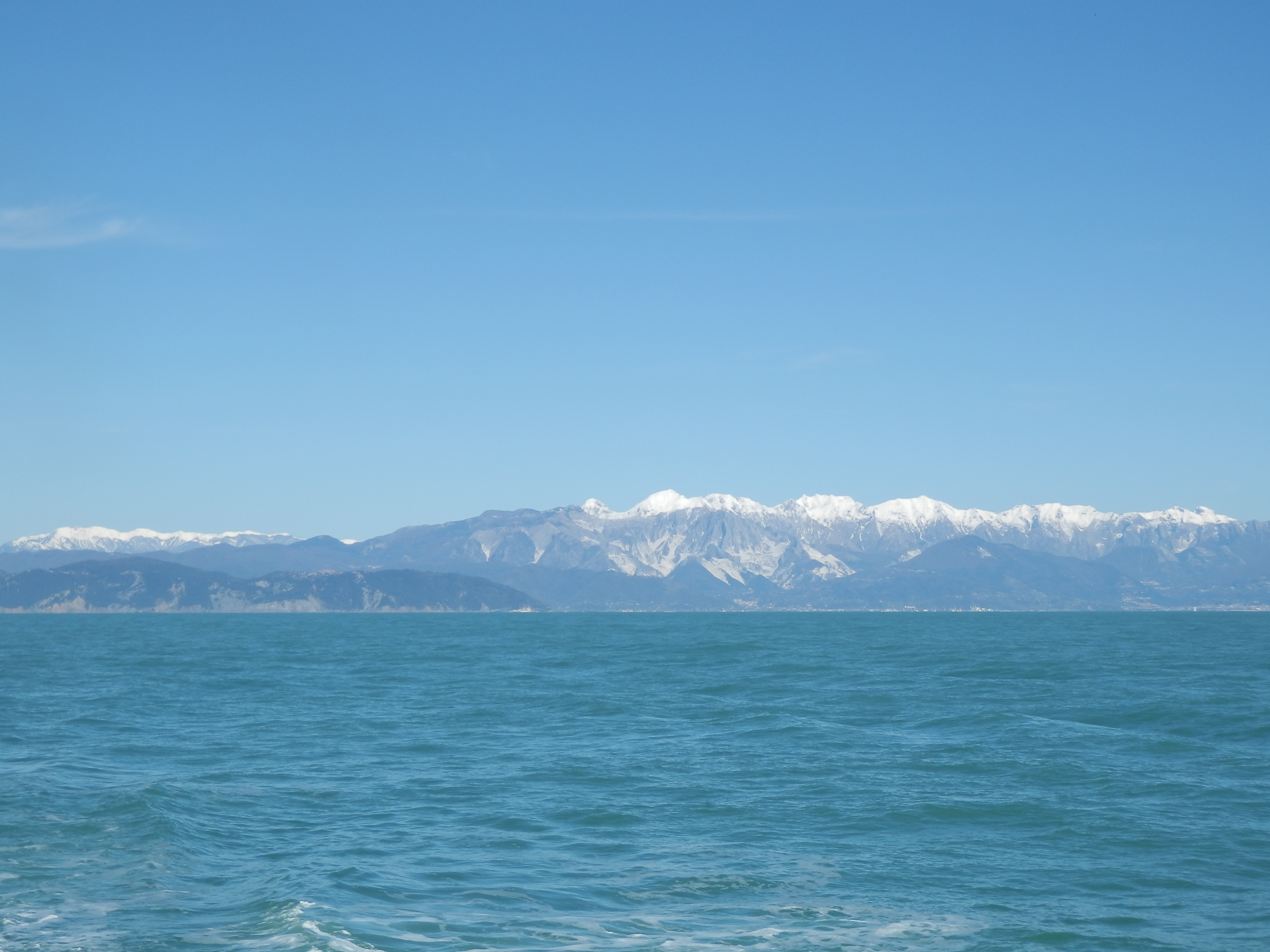

Before GPS and synthetic fibres, Italian coastal communities organised their lives around weather patterns, lunar cycles, and the migration routes of anchovy, mullet, and swordfish. Many of those rhythms persist in modified form — visible in the timing of local markets, the repair of nets in autumn, and the particular silence that falls over harbour quays on rough-weather mornings.
Read about Maritime TraditionsContent on this archive draws from published academic research, municipal records, and material from institutions including the Museo Navale di Genova and the Italian Ministry of Culture. Photographs are sourced from Wikimedia Commons under Creative Commons licences.
Despite their photogenic quality, Italian coastal towns face concrete pressures: seasonal tourism, depopulation, the slow decline of artisan boatbuilding, and changing fisheries regulations. This archive aims to document what exists rather than idealise what is disappearing.
Read about Fishing VillagesCozyHarbor.eu is a community news and media insights resource. Content is for informational purposes only. Last updated: June 5, 2026.